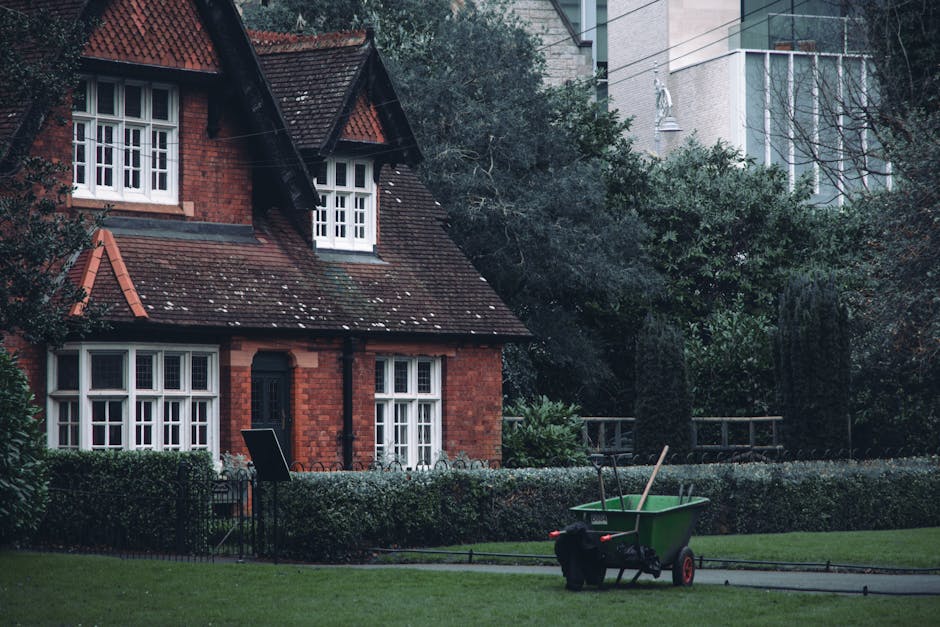
How much do gardeners cost Barnes SW13 average?
If you are trying to work out How much do gardeners cost Barnes SW13 average, you are probably doing the same thing most homeowners do: balancing the state of the garden, the time you actually have, and the kind of result you want without overspending. Fair enough. In Barnes SW13, prices can vary quite a bit depending on the size of the garden, how overgrown it is, whether you want a one-off tidy-up or regular maintenance, and whether specialist tools or extra labour are needed.
This guide breaks the topic down in plain English. You will get a practical sense of what gardeners usually charge, what pushes the price up or down, how to compare quotes sensibly, and when a service such as garden maintenance, lawn mowing, hedge trimming, or garden clearance might be more cost-effective than booking a general visit. No fluff. Just the stuff that helps you make a good decision.
And yes, the "average" part matters, but only to a point. A neat little courtyard in Barnes is a different job from a tangled rear garden after a wet spell and a few missed weekends. Let's be honest, gardens have a way of telling on us.
Why How much do gardeners cost Barnes SW13 average Matters
Knowing the average cost is useful for more than budgeting. It helps you spot a fair quote, understand what is included, and avoid paying premium rates for a simple job. In a place like Barnes SW13, where gardens range from compact town plots to larger family gardens with mature planting, the price gap can be wide enough to catch people out.
It also matters because gardening work is rarely just "dig and tidy". A quote can include green waste removal, moving heavy cuttings, clearing paths, shaping hedges, mowing lawns, border weeding, and sometimes light landscaping work. If you do not ask what is included, you may compare two prices that are not really comparable at all. That's where people get tripped up.
There is also a trust angle. A sensible price usually reflects proper equipment, time on site, and a gardener who knows how to work efficiently without damaging plants, turf, fencing, or decking. You do not always want the cheapest person on the page. Sometimes the cheapest quote is cheap for a reason.
For homeowners, landlords, and letting agents, understanding pricing helps with planning seasonal work too. Spring tidy-ups, summer lawn care, autumn leaf clearance, and winter pruning each create different labour patterns. A garden that looks calm in March can become a little monster by June. Not dramatic, just true.
How How much do gardeners cost Barnes SW13 average Works
Most gardeners charge in one of three ways: hourly rates, half-day or day rates, or fixed quotes for a defined scope of work. Which model is used usually depends on how predictable the job is.
Hourly pricing is common for smaller or uncertain jobs. This can suit weeding, general tidying, light pruning, or one-off maintenance where the gardener needs to assess the garden as they go. It is flexible, but the total cost can move if the job takes longer than expected.
Fixed quotes are often better for larger jobs. If you need a full garden clearance, hedge reduction, or a bigger seasonal reset, a written quote gives you more certainty. The trade-off is that the quote will usually include a bit of contingency for the unknowns. That is normal.
Regular maintenance visits are often priced to encourage repeat work. If a garden is kept in shape every two or four weeks, each visit is usually easier and quicker than a one-off rescue job. In practical terms, regular care often keeps the overall annual spend more stable.
Several factors shape the final figure:
- garden size and layout
- how overgrown or neglected it is
- number of tasks included
- access to the garden and waste removal logistics
- whether tools, fuel, or specialist equipment are needed
- seasonal demand, especially in spring and after wet weather
- whether the work is one-off or ongoing
If the job includes more technical elements such as tree work, heavy branch reduction, or structural changes, you may need services beyond routine gardening. For example, tree lopping and removal or landscape gardening can sit in a different pricing bracket from simple maintenance.
Key Benefits and Practical Advantages
Getting a realistic handle on gardener costs gives you more control. That sounds obvious, but it saves time and awkward conversations later.
- Better budgeting: You can plan for one-off jobs and recurring maintenance without guessing.
- Cleaner comparisons: You know whether a quote covers labour only, waste removal, or a full tidy-up.
- Less risk of overspend: You can spot inflated pricing for routine tasks.
- More consistent results: Regular upkeep often costs less per visit than panic jobs after months of neglect.
- Faster decisions: When you know the rough range, you can move ahead instead of dithering for weeks.
There is also a quieter benefit: peace of mind. A garden that is regularly maintained tends to feel calmer, look better from the house, and be far less stressful when guests arrive. You notice it on a Saturday morning when the borders are trimmed, the grass is even, and the whole place simply feels looked after.
For some people, cost clarity also makes it easier to choose the right service. If the garden is simply untidy, regular maintenance may be enough. If it has been left for months, a one-off clearance followed by maintenance might be the smarter long-term move. The first step is knowing what you are paying for.
Who This Is For and When It Makes Sense
This topic is useful for quite a few people in Barnes SW13.
- Homeowners who want a neat garden without spending every weekend on it.
- Landlords preparing a property for new tenants or routine inspections.
- Older residents who want reliable help with physically demanding work.
- Busy families juggling school runs, work, and garden upkeep.
- Property managers who need regular presentation standards.
- Anyone with an overgrown garden who needs to know whether a full clearance is justified.
It makes sense to book a gardener when the garden is starting to affect how you use the property. Maybe the grass is patchy and too long to mow easily. Maybe the hedge is blocking light. Maybe the patio is full of leaves and you have stopped using the space. These are all ordinary reasons, but they matter. A garden should support daily life, not become another job you avoid.
If you are also thinking beyond routine maintenance, browsing the wider services overview can help you understand how different tasks fit together. And if you are weighing up recurring care versus a one-off visit, the page on garden maintenance is a sensible place to start.
Step-by-Step Guidance
If you want to estimate the cost properly, work through the job in a simple sequence. No need to overcomplicate it.
- List the tasks you actually need. Mowing, edging, weeding, hedge cutting, leaf clearing, pruning, or waste removal?
- Measure the scale. Is it a small courtyard, a medium family garden, or a larger plot with multiple beds and borders?
- Decide whether it is one-off or ongoing. One-off jobs often need more labour in a single visit.
- Check access. Narrow side access, parked cars, locked gates, or lots of steps can slow things down.
- Ask what is included. Labour, fuel, green waste disposal, tools, and materials should be clear.
- Request a written quote. Even if the job is small, writing it down avoids confusion later.
- Compare like for like. A cheaper quote may exclude waste removal or only cover a short visit.
Here is a practical way to think about it: if a gardener can complete the task in one smooth visit with standard tools, the price usually stays manageable. If the job involves shifting piles of cuttings, rescuing an overgrown hedge, and restoring a lawn that has basically gone feral, the cost will rise. That is not a rip-off. It is just labour.
For more specialist work, such as a heavy seasonal clean-up, the page on garden clearance can help you judge whether the job needs more than routine maintenance.
Expert Tips for Better Results
From a practical point of view, the best value often comes from good timing and clear communication.
- Book before the garden gets too far gone. A slightly messy garden is cheaper to fix than a very overgrown one.
- Combine small tasks into one visit. It is usually more efficient to do mowing, weeding, and light pruning together.
- Be specific about outcomes. Say "tidy borders and clear paths" rather than "do the garden".
- Ask about recurring schedules. Fortnightly or monthly visits can reduce the scale of each job.
- Keep an eye on waste. Green waste can add time and disposal costs, especially after hedge cutting.
- Use seasonal rhythm. Spring reset, summer upkeep, autumn leaf clearance. It sounds boring, but it works.
One small but useful tip: take a few photos before asking for a quote. A front-facing image of the whole garden, plus close-ups of the worst areas, usually gives a much better estimate than a vague description. It saves everyone time, and it reduces the "oh, that bit was hidden" surprise on the day.
If you are planning a bigger refresh, you may also want to think about linked improvements. For example, landscaping or decking services can change how much ongoing maintenance the garden needs. Not always, but sometimes. A little upfront planning can make the future easier.
Common Mistakes to Avoid
People often make the same handful of mistakes when they ask about gardener costs. Nothing unusual, just easy traps.
- Comparing prices without scope. One quote may include waste removal while another does not.
- Assuming all gardening jobs are the same. A lawn mow is not the same as a full clearance.
- Choosing the cheapest option blindly. The lowest price may mean less time, less care, or hidden extras.
- Waiting too long. Overgrown gardens take longer to restore, and the cost usually follows.
- Not checking insurance or safety approach. Especially relevant for ladders, cutting tools, or tree work.
- Forgetting seasonal demand. Busy periods can affect availability and sometimes rates.
Another common one: people underestimate how much hedge trimming or tree-related work can change the scale of a job. A hedge that looks "just a bit tall" from the kitchen window can be a substantial task once you are actually up close. A bit like the spare room that is "basically tidy". We've all been there.
Tools, Resources and Recommendations
You do not need specialist knowledge to ask better questions. A few simple tools and documents make a big difference.
- Phone photos: Take pictures of the whole space and problem areas.
- Task list: Write down what you want done, even if it is short.
- Rough measurements: Approximate lawn size or hedge length helps with pricing.
- Access notes: Mention side passages, bins, gates, or parking limitations.
- Quote comparison sheet: Jot down what each quote includes so you can compare properly.
For service planning, these pages are useful starting points: lawn mowing for regular grass care, hedge trimming for boundary and privacy maintenance, and tree lopping and removal where tree work is becoming a safety or space issue.
If you want to understand how a provider handles service standards, insurance and safety, health and safety policy, and payment and security are all worth a look. Trust matters, especially when someone is working around your home, your paths, and your plants.
Law, Compliance, Standards, or Best Practice
For most ordinary garden maintenance, the main concern is straightforward best practice rather than heavy regulation. That said, reputable gardeners should still work carefully, use suitable equipment, and manage waste responsibly.
If a job involves ladder use, power tools, tree work, or removal of large branches, safety becomes more important. A sensible provider should have clear procedures for risk reduction, proper protective equipment, and insurance cover appropriate to the work being carried out. You do not need to be an expert, but you do want confidence that the job will be done responsibly.
Waste handling is another practical point. Green waste should be dealt with in a lawful, tidy way and not just dumped in a pile for the next storm to scatter. In everyday terms, good practice means the site is left safe, usable, and reasonably clean when the work is finished.
It is also wise to check terms before agreeing to anything. A clear written agreement helps both sides understand the scope, timing, and payment expectations. If you want to see how a provider frames these things, the pages on terms and conditions and complaints procedure can give you a better sense of the process.
For companies that care about supply chains and responsible operations, modern slavery statement, recycling and sustainability, and accessibility statement also signal broader professional standards. Not every homeowner checks these pages, but when they do, they are usually glad they did.
Options, Methods, or Comparison Table
Here is a simple comparison of the most common ways gardener work is priced in Barnes SW13. The ranges below are broad by design, because the real figure depends on garden size, task complexity, and access. Think of this as a practical guide, not a promise.
| Pricing method | Best for | Pros | Possible drawbacks |
|---|---|---|---|
| Hourly rate | Small jobs, light tidying, flexible tasks | Simple, adaptable, easy to start | Total cost can rise if the job expands |
| Half-day or day rate | Mixed garden work, seasonal resets, bigger tidy-ups | Good value when several tasks are combined | You need enough work to fill the time |
| Fixed quote | Clear scope jobs such as clearance or hedge work | Budget certainty, easier comparison | May include contingency if the brief is vague |
| Regular maintenance plan | Ongoing lawn care, pruning, and tidy borders | Stable upkeep, usually better long-term value | Less ideal if you only need occasional help |
In real life, the right option often depends on how you use the garden. If you entertain often and want it looking presentable, regular maintenance is usually the easiest route. If the garden has been ignored for a while, a one-off fixed quote may make more sense first, followed by maintenance later. Simple, really.
Case Study or Real-World Example
Picture a typical Barnes SW13 rear garden in late spring. The lawn is long enough to slow mowing down, the hedge has started to spill over its boundary, and the borders need weeding before the summer growth properly kicks in. Nothing disastrous, just a garden that has drifted a little.
In a case like that, a gardener might recommend splitting the work into two stages: first, a tidy-up visit to get everything under control; second, a lighter maintenance visit a few weeks later. Why? Because the first visit takes longer, but the follow-up becomes much easier once the garden is back in shape.
Now compare that with a garden left untouched for months after a wet winter. The lawn may need more time, the hedge may create waste, and the beds may require proper clearance. That is no longer just maintenance. It starts moving toward a clearance-style job, and the price reflects that shift.
What this example shows is simple: average cost is not a single magic number. It is a moving figure shaped by the job in front of you. Once you see it that way, the quotes make much more sense.
Practical Checklist
Use this before you request a quote or book a gardener:
- Make a short list of every task you want done.
- Take clear photos of the garden from different angles.
- Note anything awkward, such as narrow access or locked gates.
- Decide whether you need a one-off visit or ongoing care.
- Ask whether waste removal is included.
- Check if the gardener brings tools and equipment.
- Ask for a written price or at least a written scope.
- Compare the quotes on detail, not just total price.
- Clarify whether the job includes pruning, mowing, trimming, or clearance.
- Choose the option that fits your garden's current condition, not just next month's hope.
A quick checklist like this saves a lot of back-and-forth later. And if your garden needs a more structured service, the pages on services overview and pricing and quotes are useful reference points before you go ahead.
Conclusion
So, how much do gardeners cost in Barnes SW13 on average? The honest answer is that it depends on the size of the job, the state of the garden, and whether you need one-off help or regular care. For a small tidy-up, pricing tends to stay relatively modest. For larger, more overgrown, or specialist work, the total can rise quickly. That is normal, and it is usually easy to understand once the scope is clear.
The smartest approach is to define the work, get a written quote, compare what is actually included, and think about whether ongoing maintenance would save money over time. If the garden is already slipping, do not wait until it becomes a much bigger job. Honestly, a little attention now is often the cheaper, calmer option later.
Get a free quote today and see how much you can save.
If you want to learn more about the team behind the service, you can also visit the about us page or use the contact us page to start a conversation. Sometimes the simplest next step is just asking, "what would you charge for this garden?" That is often where a sensible plan begins.
Frequently Asked Questions
What is the average cost of a gardener in Barnes SW13?
The average depends on the type of work, but most gardeners price by hour, half-day, day, or fixed quote. A small tidy-up will usually cost less than an overgrown garden clearance.
Do gardeners charge by the hour or by the job?
Both are common. Hourly pricing suits flexible, smaller tasks, while fixed quotes are usually better for larger or clearly defined jobs.
Is garden maintenance cheaper than a one-off tidy-up?
Usually, yes. Regular maintenance visits often cost less per session because the garden is easier to manage when it is kept under control.
What makes gardener prices go up?
Overgrowth, poor access, waste removal, specialist tools, and extra labour all tend to increase the cost. Seasonality can also play a part.
Should waste removal be included in the quote?
It should be made clear either way. Some quotes include green waste removal, while others leave it as an extra. Always ask before agreeing.
How do I compare gardener quotes fairly?
Compare the scope, not just the total. Check what each quote includes: labour, tools, waste disposal, pruning, mowing, and any extra visits.
Is hedge trimming more expensive than lawn mowing?
Often it is, because hedge work can take longer, create more waste, and require more careful shaping. Lawn mowing is usually more straightforward.
When is a garden clearance needed instead of normal maintenance?
If the garden is heavily overgrown, full of debris, or too untidy for routine care to catch up quickly, a clearance is often the better starting point.
Do I need to prepare anything before the gardener arrives?
Yes, ideally clear access, move personal items, and note any locked gates or hazards. A little prep can save time and reduce the cost.
How often should a garden in Barnes be maintained?
That depends on the size and style of the garden, but many people find that fortnightly or monthly visits keep things manageable without letting work pile up.
Can I book just one service, like lawn mowing or hedge trimming?
Yes. Many people book individual tasks when only one part of the garden needs attention. Services such as lawn mowing and hedge trimming are often chosen that way.
How do I know if a gardener is trustworthy?
Look for clear pricing, proper communication, sensible safety practices, and transparent terms. Pages like insurance and safety and payment and security can help you judge the professionalism behind the service.
And if you are still unsure what level of service fits your garden, that is perfectly normal. A quick conversation, a few photos, and a clear scope usually sort it out. Gardens are rarely as complicated as they first seem.